

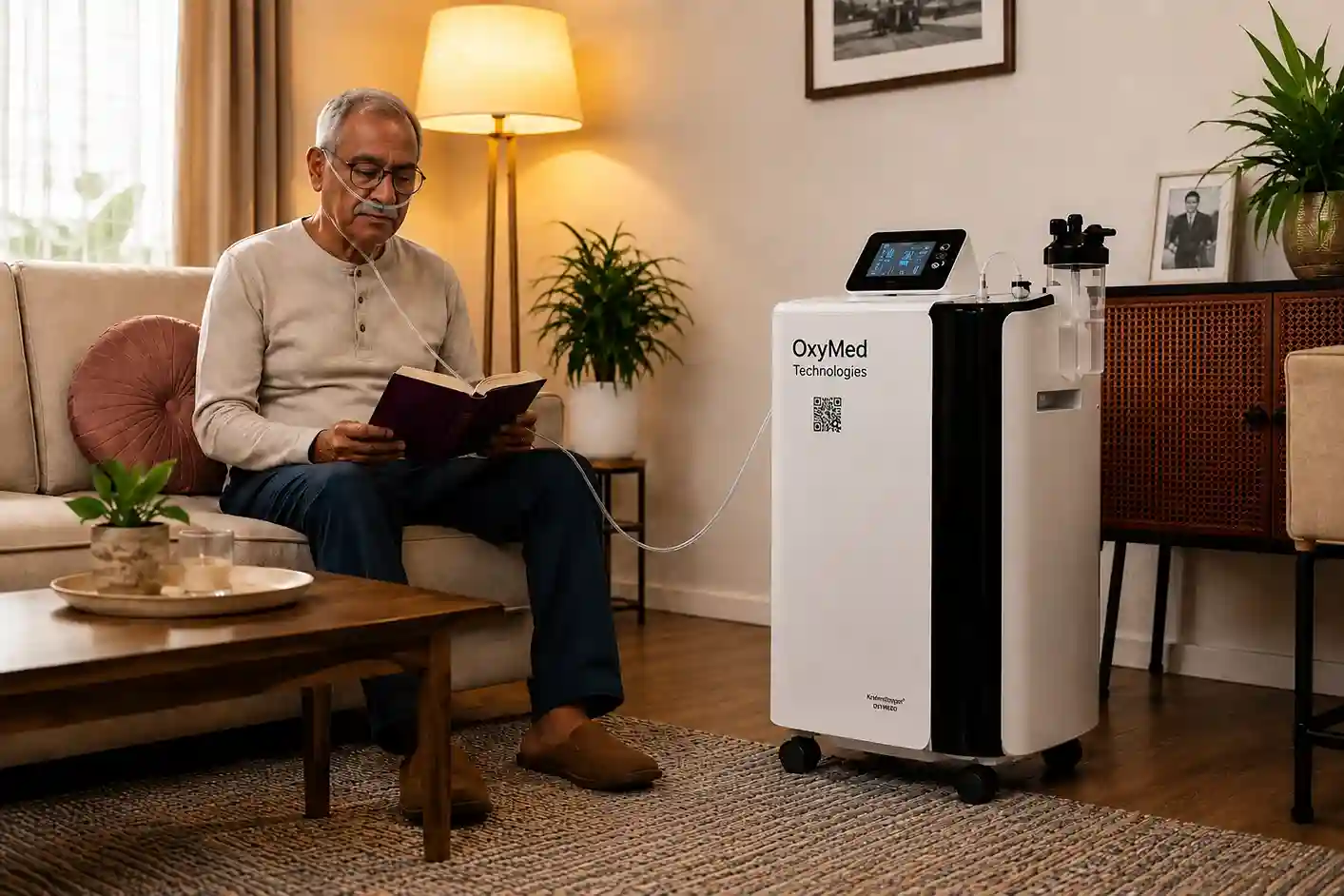
Oxymed Oxygen Concentrator - 5L
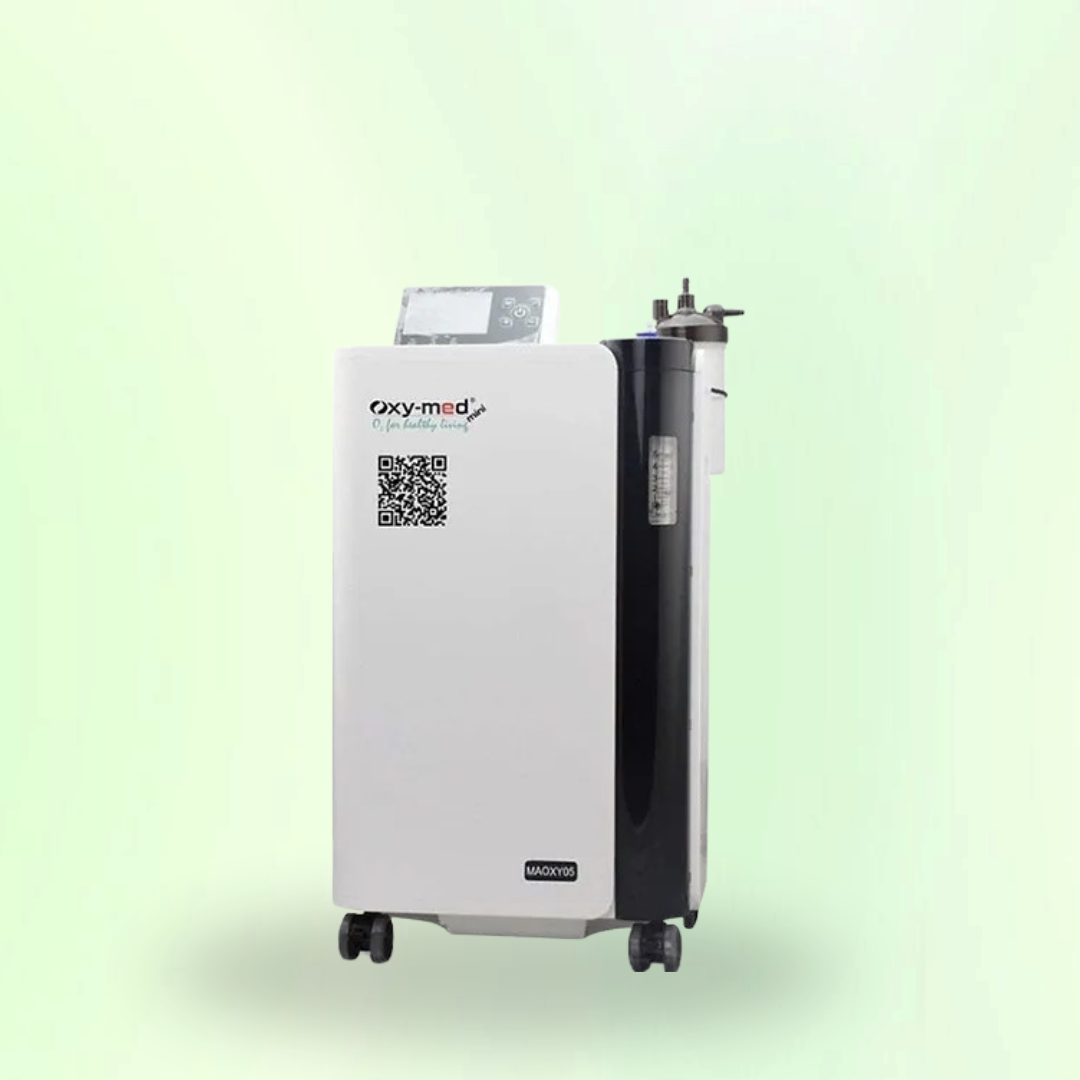
Pricing below is indicative. Final charges may vary according to rental duration, delivery location, availability, security deposit and selected accessories. Not sure what flow rate you need? See when a recovering patient needs oxygen at home, and for long-term therapy the COPD care at home guide.
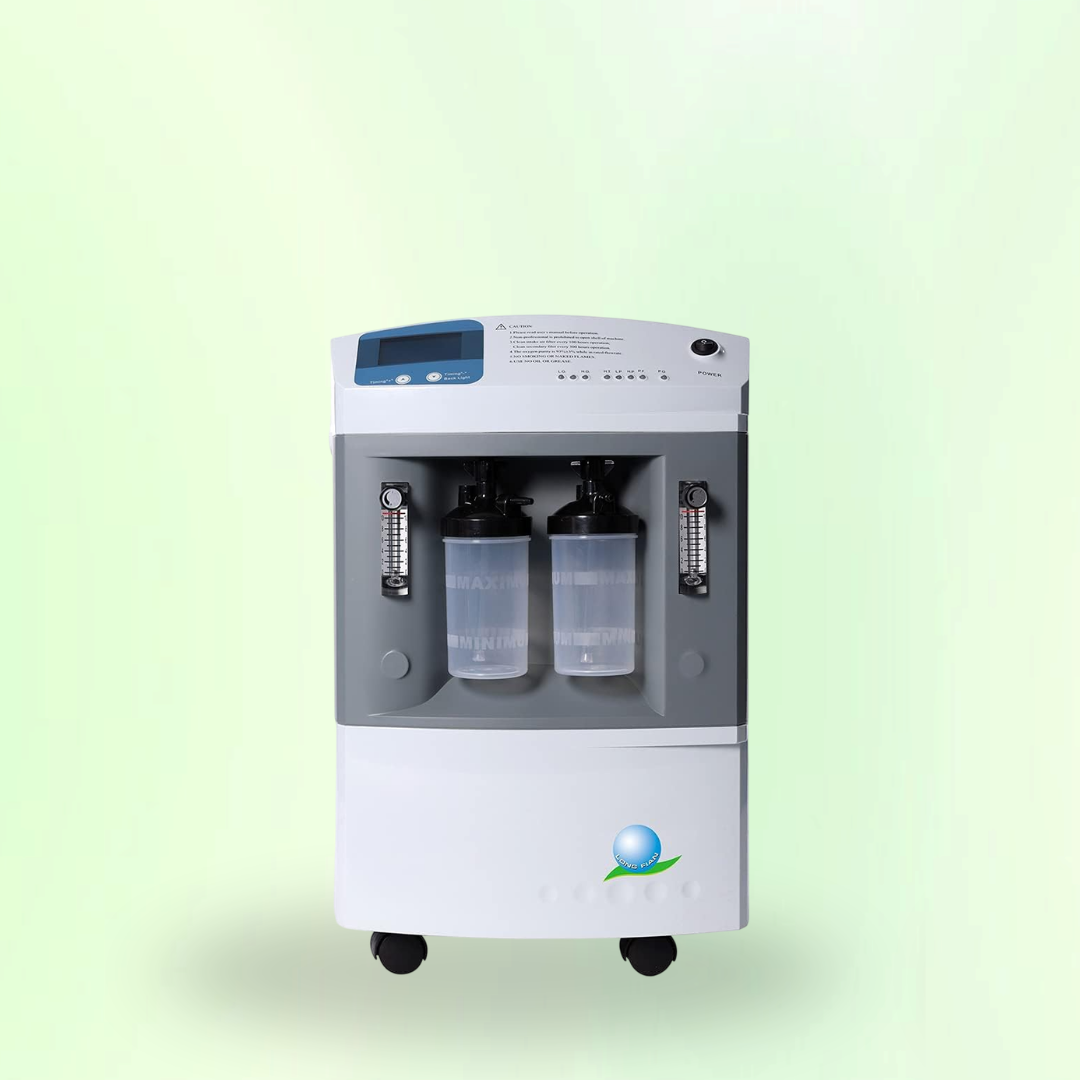
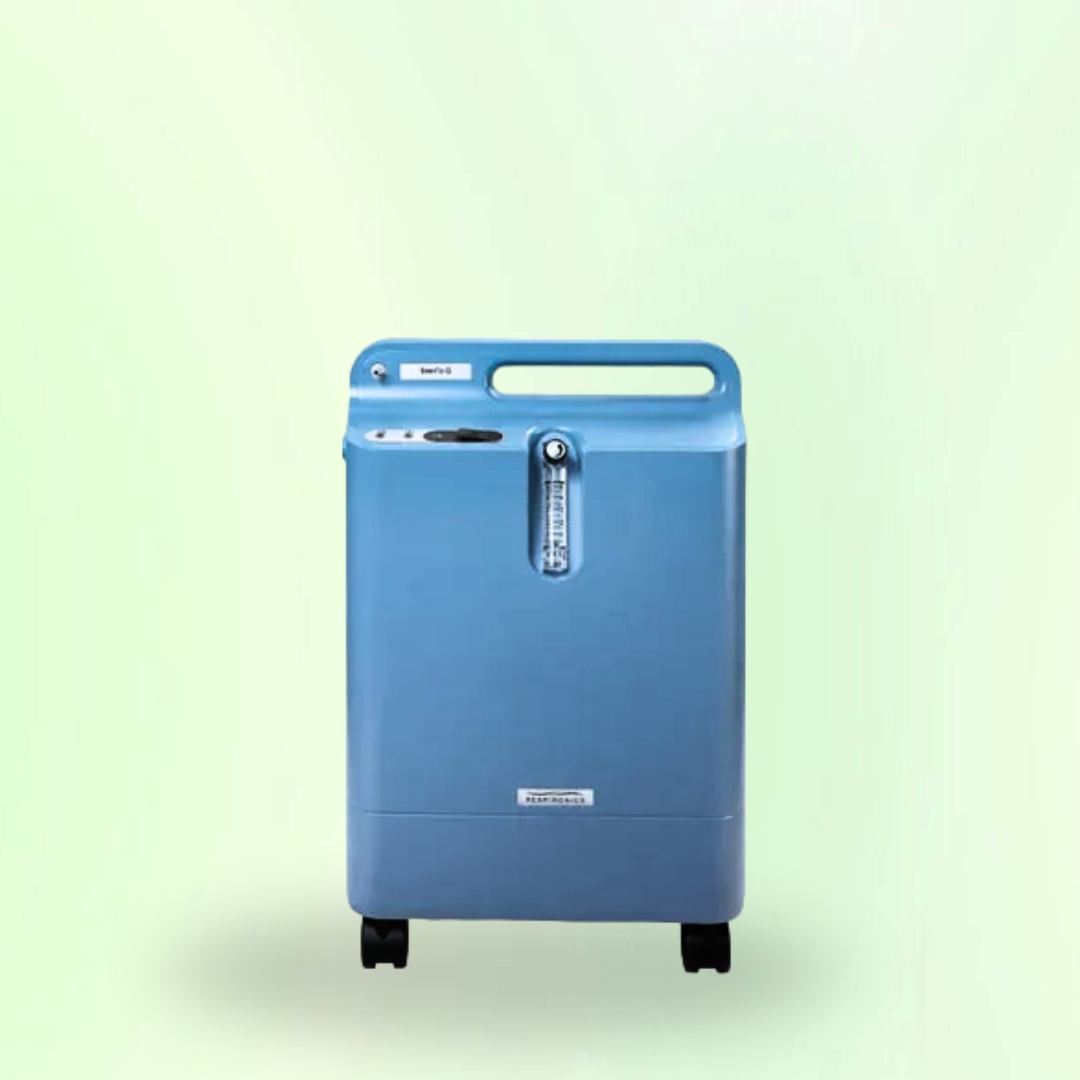
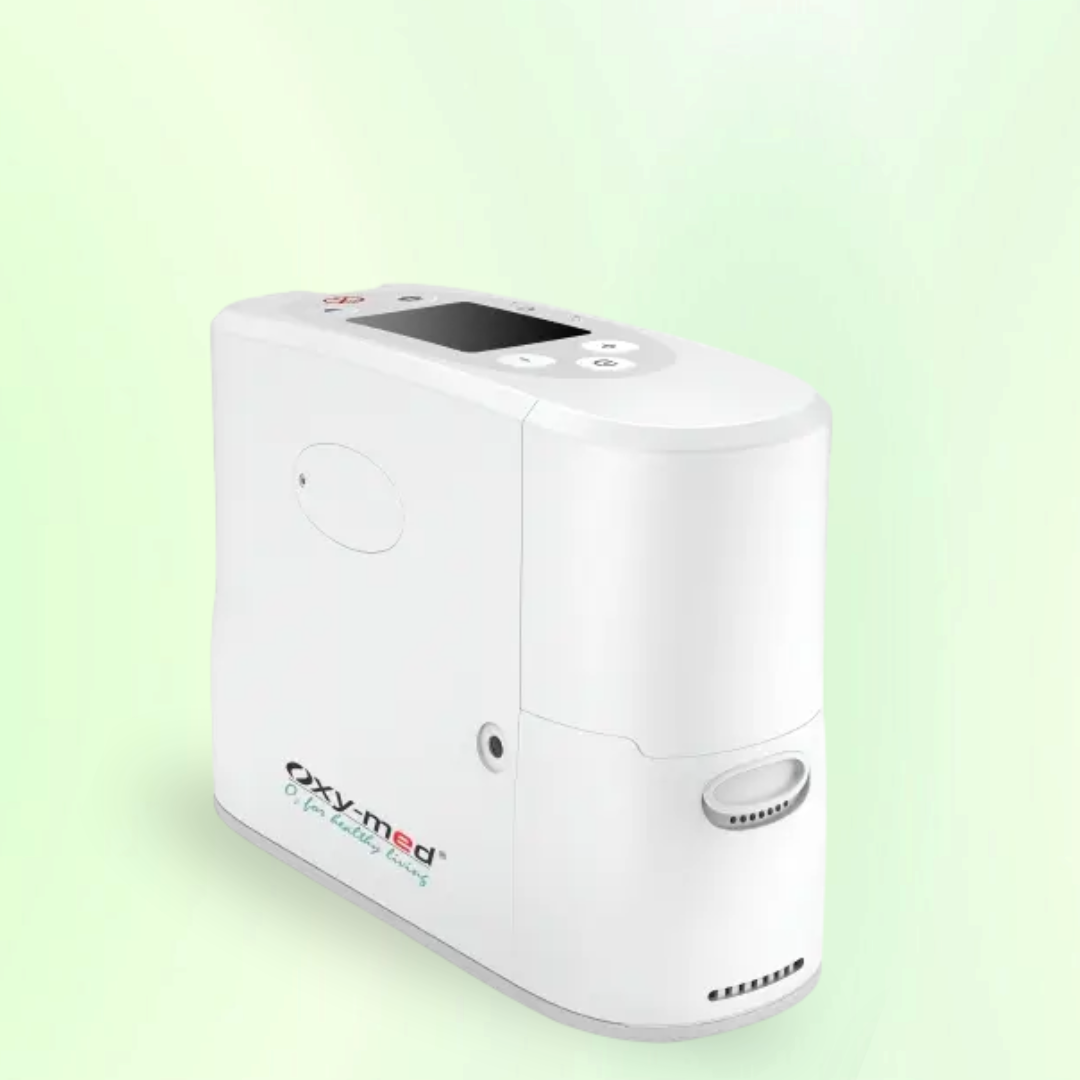
See why an oxygen concentrator is the more practical choice for long-term home oxygen therapy.
| Specification | Oxygen Cylinder | Oxygen Concentrator |
|---|---|---|
| Availability | Runs out anytime → risk in critical situations | 24/7 oxygen supply → peace of mind |
| Refill & running cost | Frequent refills → ongoing expense | One-time setup → saves money long-term |
| Portability | Bulky & hard to carry | Easy to move around your home |
| Safety | High-pressure device → higher risk | Safe for daily home use |
| Ease of use | Needs setup & monitoring | Simple plug & play → anyone can use |
| Power supply | Works without electricity | Needs a dedicated socket; plan an inverter for power cuts |
| Best for | Short-term, emergency and backup use | Ideal for long-term care & home recovery |
Most families on long-term therapy keep a concentrator as the main supply and a small cylinder as backup for power cuts. Room wiring and socket planning are covered in how to set up a patient room at home.
Delivery across major serviceable areas in Delhi, Noida, Gurgaon, Faridabad and Ghaziabad.
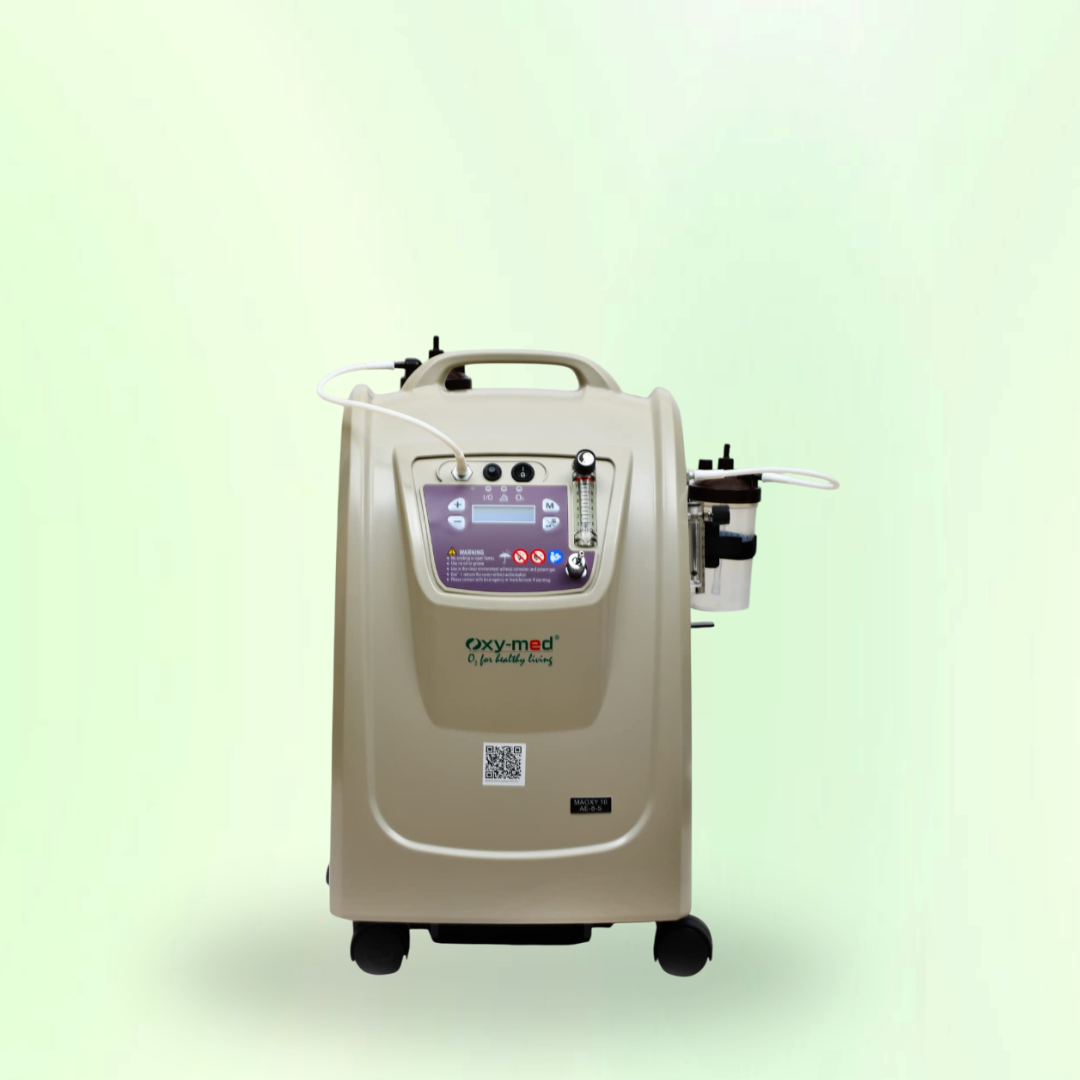
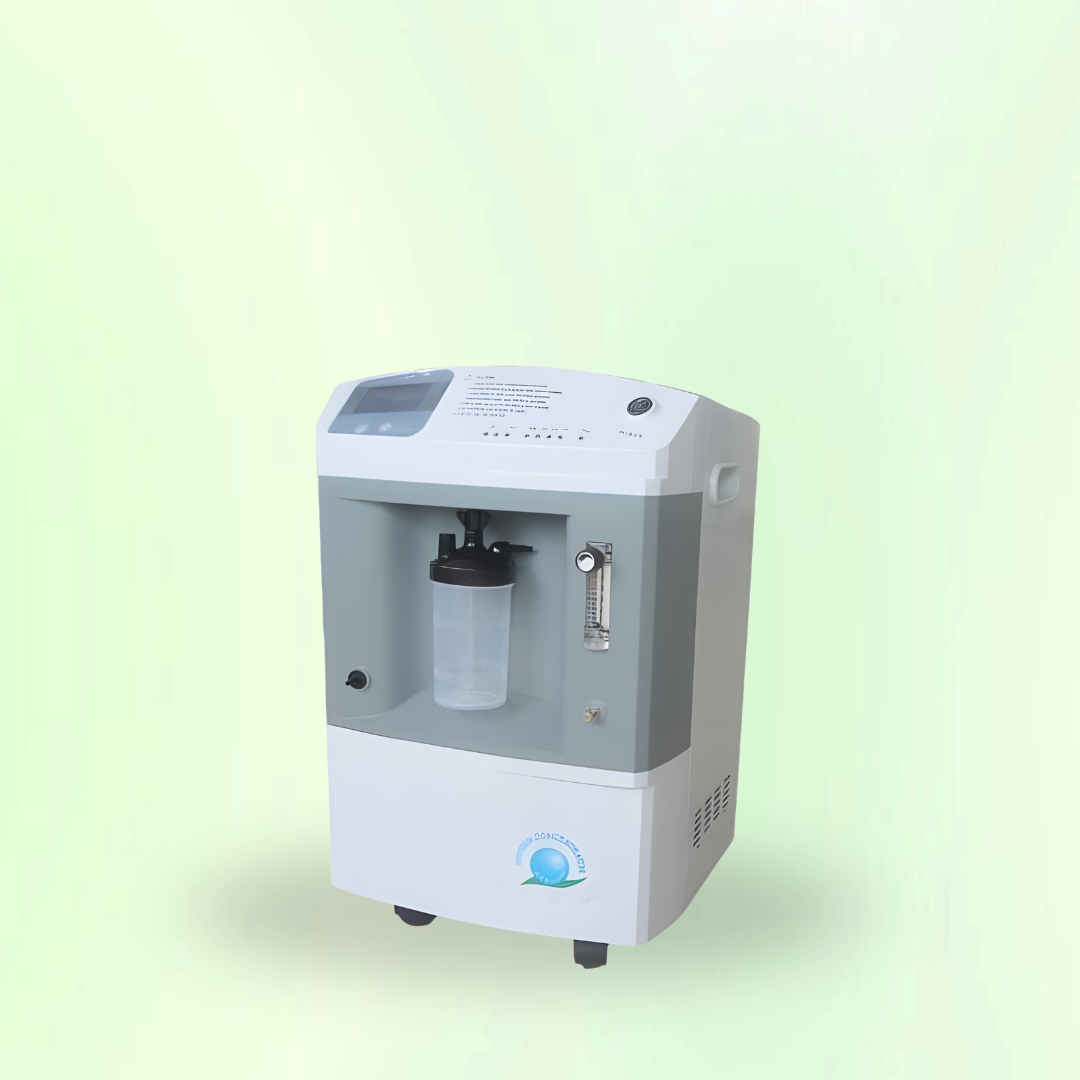
Oxymed, Niscomed and Philips 5L, 10L and portable options for every need and budget.
Choose monthly rental for temporary use or purchase for longer oxygen-therapy requirements.
Understand the controls, flow settings and filters before therapy begins.
Discuss oxygen flow needs, prescription and room setup before confirming a machine.
Indicative rental and sale prices are displayed so families can compare faster.
Oxygen is usually one part of a wider home setup. These guides cover prescription, room safety and the rest of the equipment.
How oxygen is prescribed, what flow rate means, and how to monitor saturation safely.
Oxygen, equipment and the fire-safety rules once a concentrator is running in the room.
For patients who need pressure support alongside or instead of oxygen.
Ventilator, monitoring and nursing for patients discharged from intensive care.
Dedicated sockets, cable routing and a plan for power cuts before delivery day.
What to secure before leaving the ward, and the first 30 days at home.
Backrest elevation matters for breathing, feeding and night-time comfort.
The full rental range, from beds and mattresses to suction and monitoring.
The five home recovery programmes, with equipment and staffing for each.
Rental starts from ₹3,500 per month for a 5 litre concentrator. The final cost depends on the brand, flow rate (5L, 10L or portable), rental period, delivery location and availability.
Delivery within four hours may be available in supported Delhi NCR locations. It remains subject to confirmed stock, distance, traffic and order processing time.
A concentrator continuously makes oxygen from room air, so it never runs out and needs no refills, but it needs mains power. A cylinder holds a fixed amount and must be refilled, though it works without electricity. Most long-term patients use a concentrator as the main supply and keep a cylinder as backup.
A 5 litre unit suits most standard home needs, while a 10 litre unit delivers higher flow for higher prescriptions or two patients. Choose the flow rate advised in your prescription.
A prescription is strongly recommended. The oxygen flow rate should follow your treating doctor's advice based on your SpO2 levels and condition. Never adjust the flow at home based on how the patient looks.
A 5 litre concentrator covers most home and COPD needs, a 10 litre suits higher flow requirements, and a portable unit helps if you need oxygen while moving around. Confirm the right flow with your clinician. See the COPD care at home guide for the wider setup.
Keep the concentrator at least 1.5 metres from any heat source or open flame, allow no smoking in the room, keep the air vents clear of curtains and walls, and avoid petroleum-based creams, oils and alcohol sanitiser near the nasal cannula. No diya, agarbatti, candle or gas heater in a room where oxygen is running.
One dedicated socket. A concentrator draws roughly 350 to 600 watts depending on the model and runs continuously, so it should not share an extension board with other equipment. Plan an inverter or a backup cylinder for power cuts — the electrical checklist is in how to set up a patient room at home.
Yes. A lightweight Oxymed portable concentrator is available for travel, mobility and use away from home.
A refundable security deposit may apply to rented equipment. The amount depends on the machine and should be confirmed before dispatch.
Yes. Every model on this page is available for both rent and sale. Compare your expected duration of use before deciding which option is more economical.
Basic installation and an operating demonstration can be arranged at the delivery location, so you can use the concentrator and set the flow correctly from day one.
Yes, delivery is available in Delhi, Noida, Gurgaon, Faridabad and Ghaziabad, subject to serviceable pin code and stock availability.
Call +91 80314 11616 or message +91 98759 15278 on WhatsApp with your prescription or oxygen flow requirement, preferred model, rental duration and delivery location.